Two shores, one shared sea and a common challenge
The sea reminds us every day that ecosystems, species, and fisheries do not recognise administrative borders. The people managing that sea do: different fleets, different administrations, different scientific institutions, different national priorities. The Strait of Gibraltar and Alboran Sea are among the most ecologically, socially and economically valuable waters in the Mediterranean basin, and co-managing this marine area has been a significant challenge for Morocco and Spain over the past years.
The two-day workshop in Tangier was an attempt to bring two administrations together, and that is harder than it sounds. Shared fisheries management means two countries with different fleets and different regulatory systems agreeing on how to divide responsibility for the same stocks. Scientific monitoring means institutions on both sides agreeing on methodologies they can each act on, not just publish. Generational renewal in the fisheries sector and the leadership role of women within it are structural questions, not items that get resolved in an afternoon. A fisheries administrator, a scientist, an environmental organisation and a working fisher do not walk into a room with the same priorities.
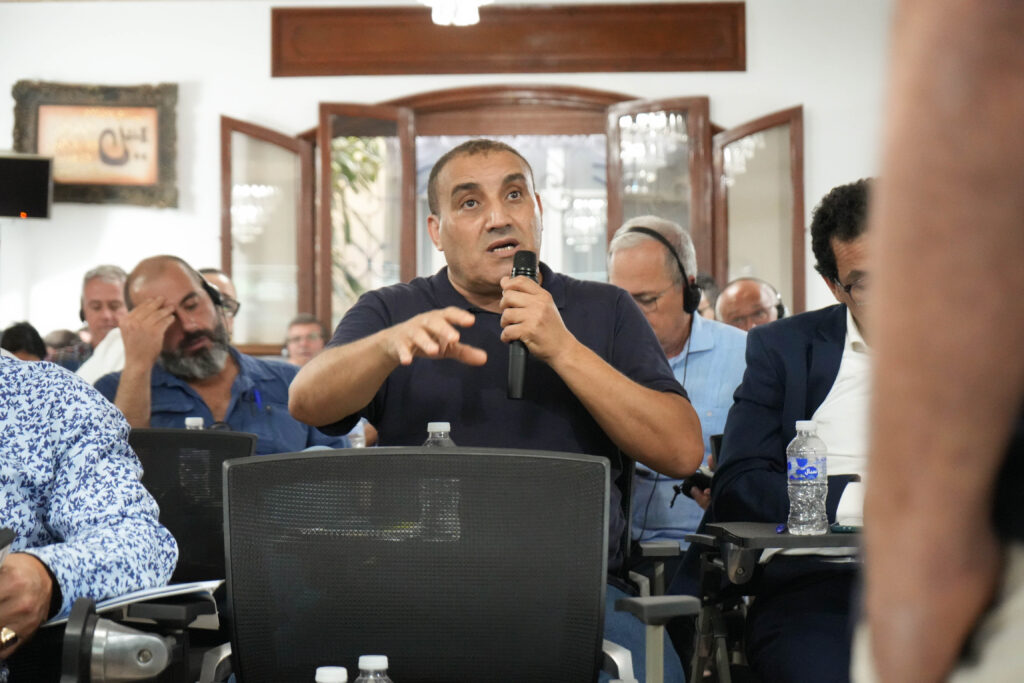
One sea, two systems: Finding common ground
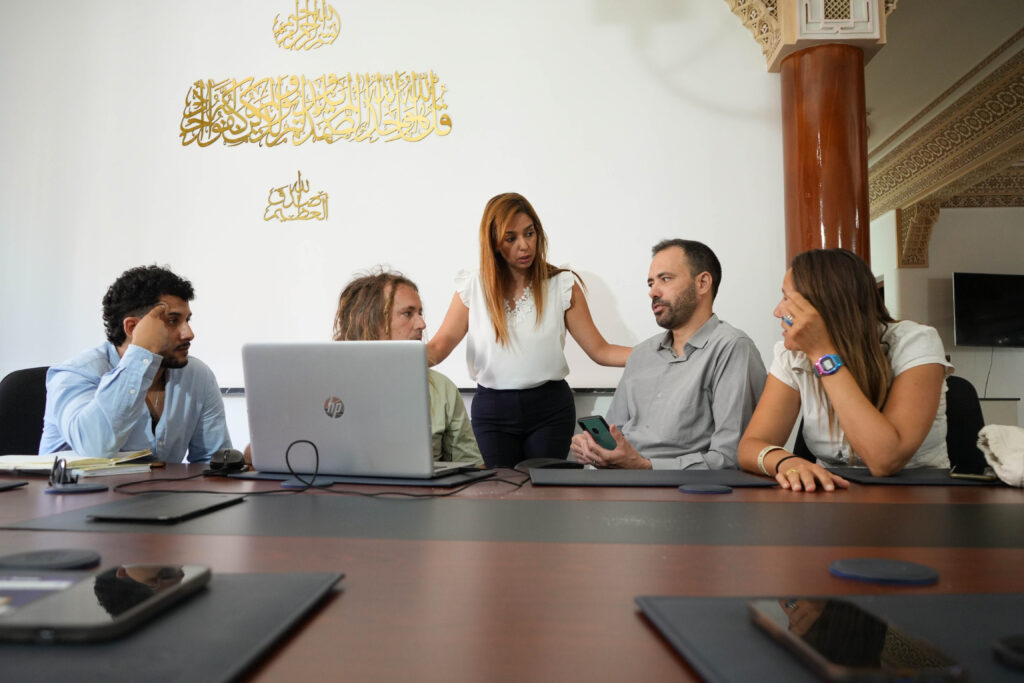
That is exactly why the meeting mattered. SOLDECOCOS played a central role in designing, energising and facilitating this meeting, creating the conditions for diverse stakeholders to engage in dialogue, identify common priorities and move towards a shared vision for fisheries and marine biodiversity in the region. Its contribution went beyond logistical organisation: SOLDECOCOS acted as a catalyst for trust, promoting an open, participatory conversation focused on building agreements.
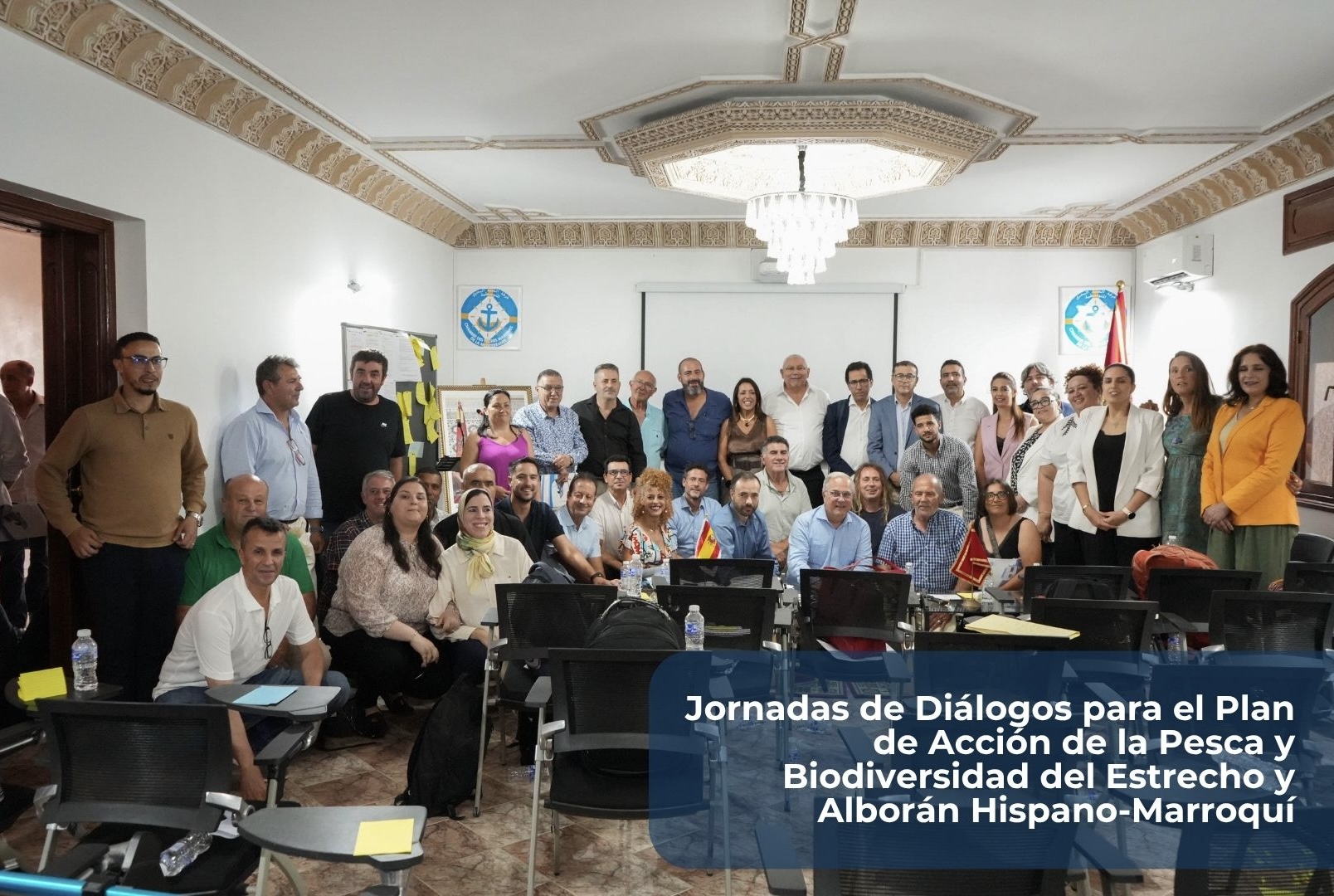
Hosted by the Mediterranean Maritime Fisheries Chamber of Morocco under its president Monir Draz, and driven by an initiative from OPP72, the sessions brought together fisheries administrations from Morocco and Spain, including the Regional Government of Andalusia, alongside scientific institutions INRH, IEO-CSIC and IFAPA, plus environmental organisations, fisheries professionals and marine biodiversity specialists from both shores.
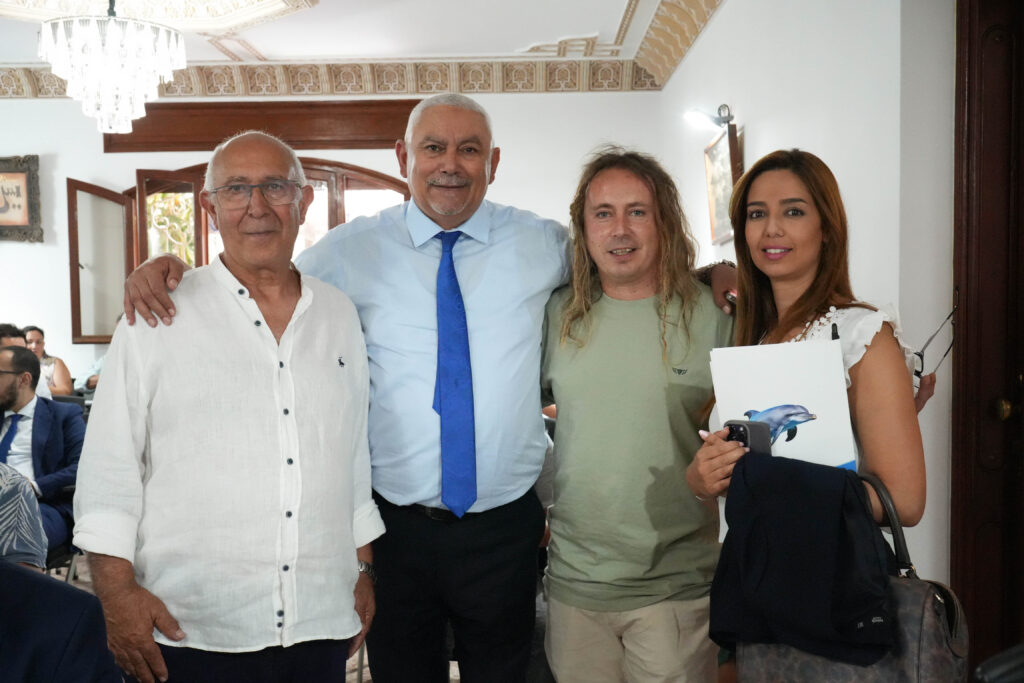
Strengthening alliances between both shores
Over the two days, participants worked through institutional coordination, the management of shared fisheries, the state of marine biodiversity, the conservation of habitats and protected areas, scientific monitoring methodologies, generational renewal and women’s leadership in the sector. None of these topics can be solved by goodwill alone. What made the meeting worthwhile was that different, sometimes competing, perspectives were put on the table by the people who must live with the outcome, and worked through in the same room instead of past each other.
That process feeds directly into BLUE CONNECT, developing replicable tools for marine planning and management across its 12 demonstration sites. In this framework, the experience of the Strait of Gibraltar and the Alboran Sea offers insightful lessons on governance, stakeholder dialogue, shared responsibility and the development of joint solutions in contexts where cooperation between territories is essential.
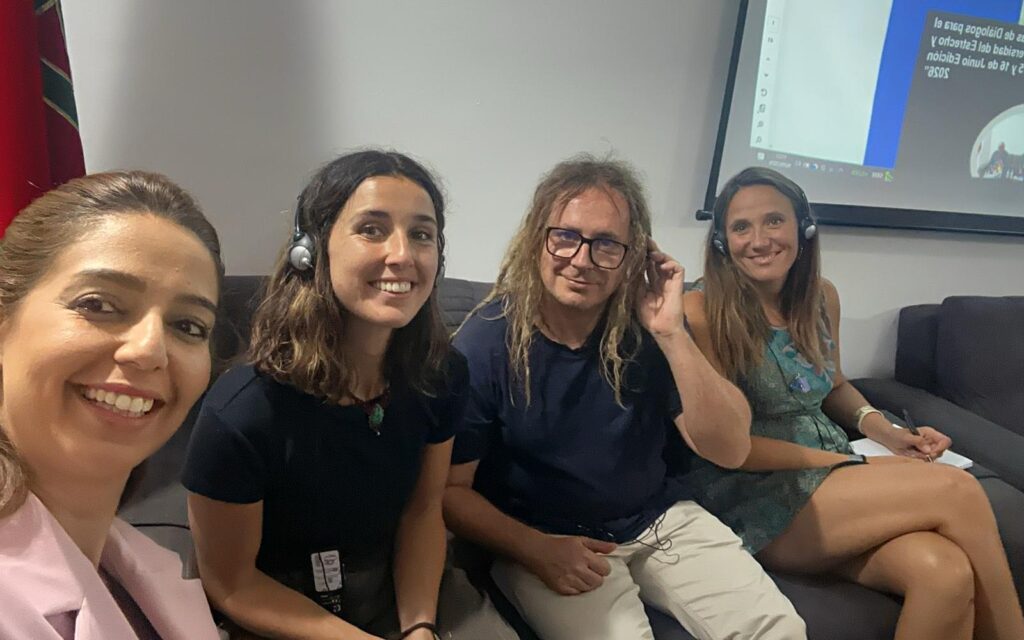
Lessons for BLUE CONNECT
As SOLDECOCOS put it, “we are pleased to have contributed to energising this meeting space and we thank all participating organisations for their involvement. We will continue working to strengthen alliances between both shores, promote dialogue processes and support initiatives that place sustainability, biodiversity and the future of coastal communities at the centre.”
Featured participants: Mediterranean Maritime Fisheries Chamber of Morocco, Monir Draz, President of the Chamber, OPP72, fisheries administrations from Morocco and Spain, Regional Government of Andalusia, INRH, IEO-CSIC, IFAPA, environmental organisations from Morocco and Spain, fisheries professionals, and scientists and marine biodiversity experts.