As BLUE CONNECT advances the development of its tools, frameworks and recommendations for marine conservation, ensuring that these results reach the right users is an important step towards achieving the project’s long-term impact. While demonstration sites across four European sea basins are testing and refining approaches in practice, BLUE CONNECT is also working to create pathways for the transferability and scalability of its results beyond its own lifetime.
One of the ways BLUE CONNECT is doing this is through its collaboration with HELCOM, a regional seas convention. This partnership demonstrates how research projects can engage with existing regional seas conventions to connect emerging scientific knowledge and innovation with ongoing thematic discussions, expert networks, and decision-making processes.
As one of the consortium partners, the HELCOM Secretariat contributes to strengthening BLUE CONNECT’s broader impact by supporting synergies with related initiatives, including the HELCOM-led PROTECT BALTIC project, and connecting BLUE CONNECT results with HELCOM’s Working Groups, Expert Groups and their ongoing work.
A recent example of this collaboration was the 9th Informal Consultation Session of the Expert Network on Climate Change (EN CLIME), held online on 1 September 2026. EN CLIME serves as a platform for sharing knowledge and expertise on climate change and its implications for the Baltic Sea, while making this expertise accessible to policymakers.
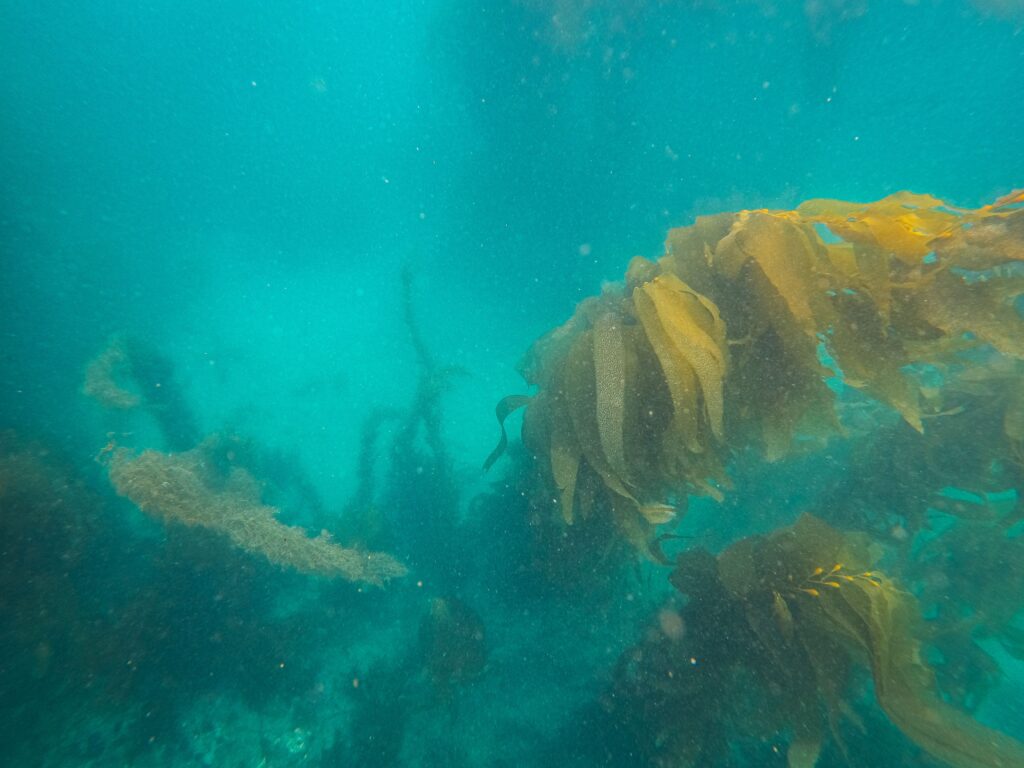
During the meeting, BLUE CONNECT presented its planned methodology for integrating climate change considerations into its connectivity module and ecosystem modelling approaches being developed to inform and support conservation and restoration actions. The project introduced key elements of its WP2 work, including the BLUE CONNECT Framework and connectivity tool typology, and described the proposed methods for incorporating climate change considerations into these assessments and modelling activities. These methods include assessing how climate related changes may influence habitat distribution, dynamic seascape resistance and the identification of climate refugia, as well as comparing connectivity under current and projected hydrodynamic conditions and evaluating the responses of larval life-history stages to climate change.
The discussion that followed focused on the methodological aspects of the modelling approaches presented. Participants were also invited to consider the transferability of these framework components to the Baltic Sea region and provide suggestions to support their future application.
The exchange provided an opportunity to gather feedback, explore regional relevance, and strengthen links between the project’s scientific developments and regional work on climate resilient marine conservation planning. Facilitating dialogue between BLUE CONNECT and HELCOM helps create opportunities to explore how BLUE CONNECT results can be transferred and applied in different contexts, supporting the long-term impact of the project’s results beyond its lifetime.
More recently, at the 8th Informal Consultation Session of HELCOM’s Working Group on Biodiversity, Protection and Restoration (6-9.10.2026), BLUE CONNECT introduced its planned Transferability Roadshow Workshops (TRWs). These hands-on capacity-building events are designed to facilitate the uptake and transferability of key project outputs, including tools and recommendations, beyond the Demonstration Sites. TRW activities are scheduled to commence next year. During the session, participants identified several areas of alignment with ongoing HELCOM work, particularly in relation to conservation planning, marine protected area management, and monitoring.
What is HELCOM?
HELCOM, also known as the Baltic Marine Environment Protection Commission, is the governing body of the Helsinki Convention, a regional seas convention dedicated to protecting the marine environment of the Baltic Sea. Through cooperation between the Baltic Sea countries and the European Union, as well as Observer participation, HELCOM brings together science, policy and management to coordinate regional action towards protecting marine biodiversity and restoring ecosystem health. It also provides a platform for regional environmental policy making.
HELCOM’s work is guided by the Baltic Sea Action Plan (BSAP), which serves as a roadmap towards achieving good environmental status in the Baltic Sea. Thematic Working Groups and their affiliated Expert Groups translate scientific findings and technical expertise into policies, strategies, or recommendations.