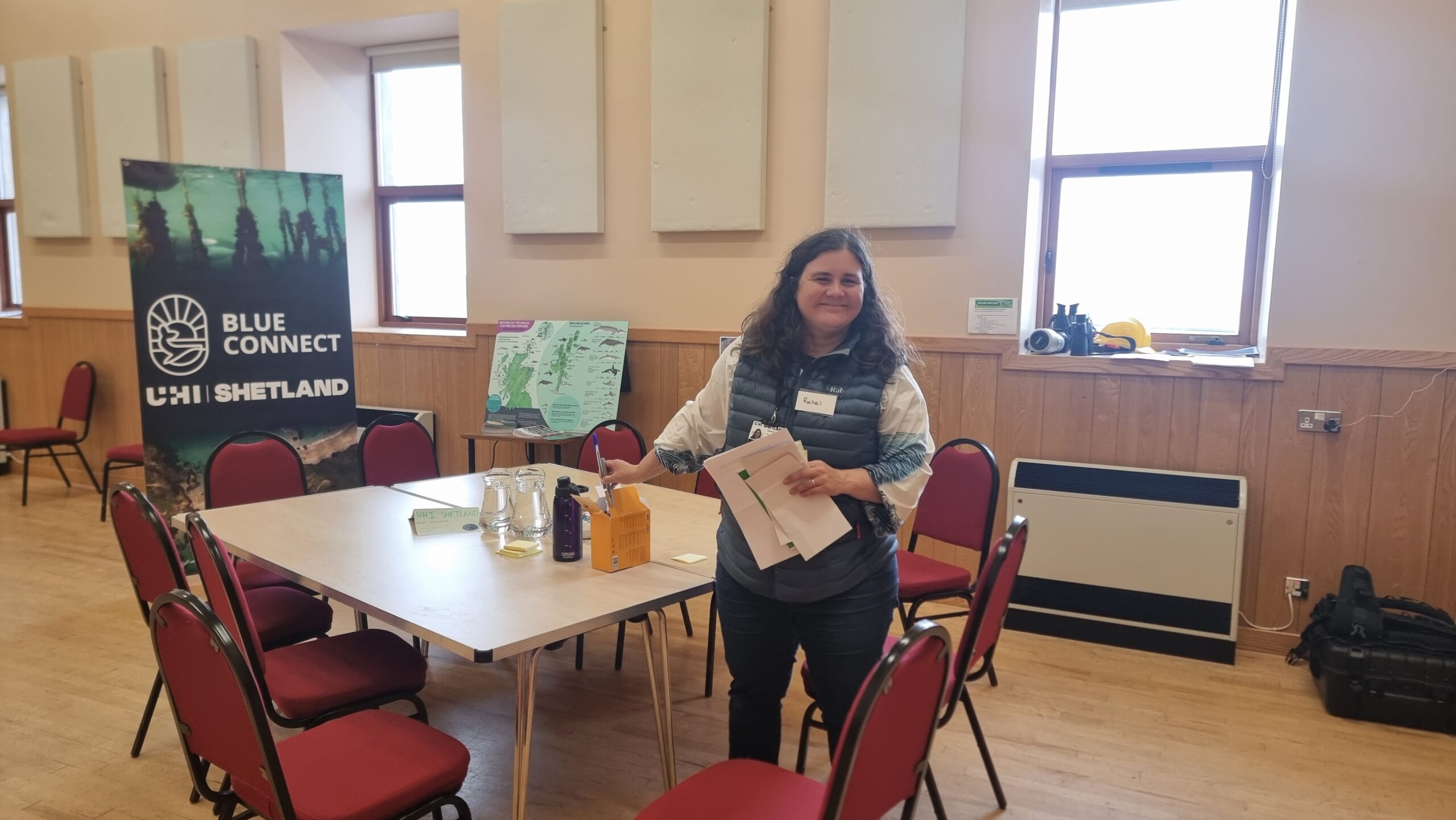
How do Shetland’s young people perceive the status of our seas? At the Shetland Youth Voice Summit, UHI Shetland invited 12 to 15-year-olds to speak up for their generation and share the perspectives that are often missing in decision-making processes.
As part of the Shetland Youth Voice workshop, they wanted to share some examples of the work being completed, develop their skills and knowledge (namely through a photo-ID game) and then capture and understand their thoughts and interests related to the work, and potentially being further involved.
Initially, they asked participants some introductory ice-breaker questions:
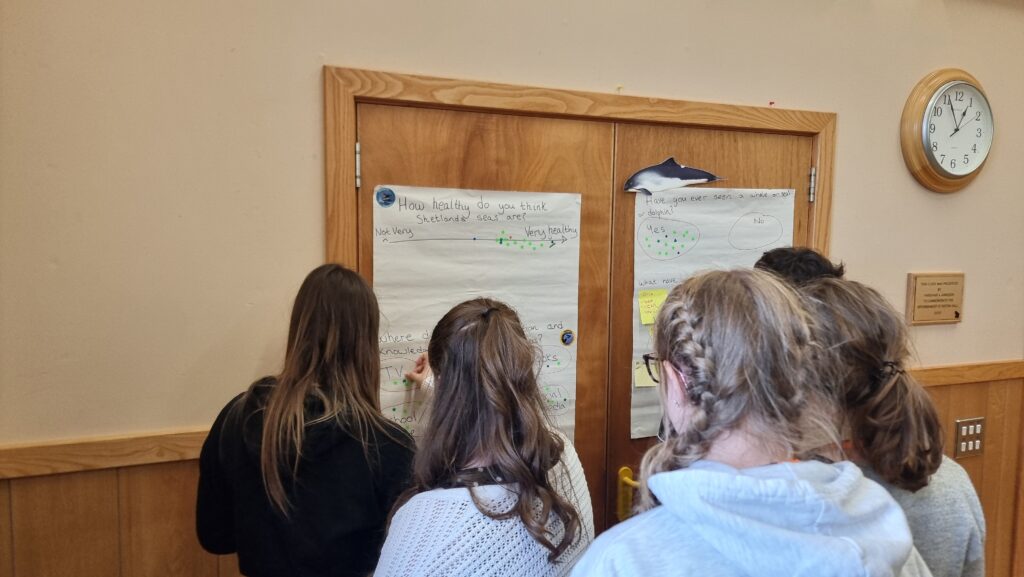
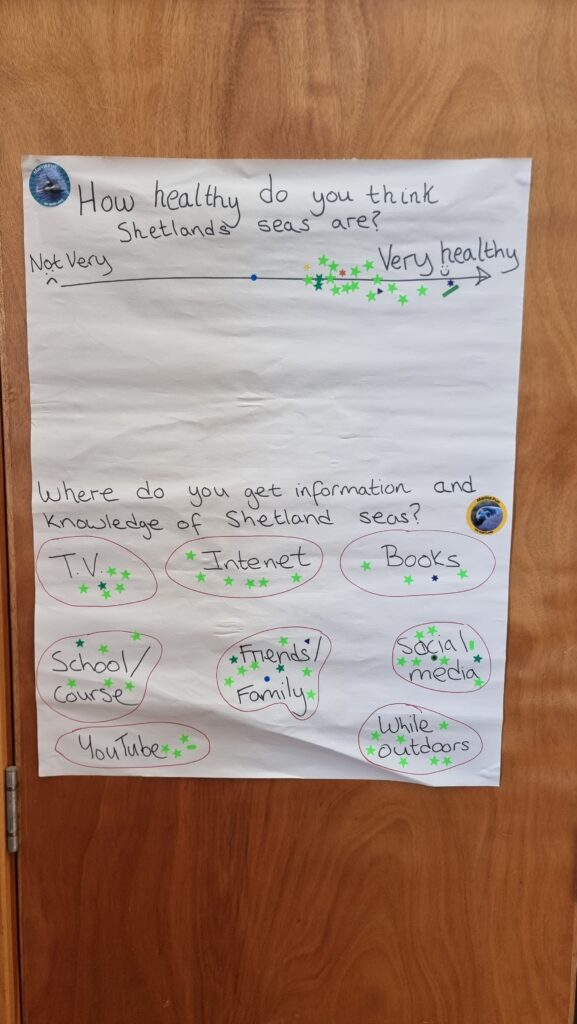
How healthy do you think Shetland’s seas are? All participants considered Shetland’s seas to be ‘healthy’ to ‘very healthy’, when asked to score along a sliding scale.
Where do you get information and knowledge of Shetland’s seas? (Multiple votes were permitted) 10 said from friends and family, 9 from social media, 7 said while outdoors, 6 said from the TV, 6 from the internet, 6 from school , 4 from books, and 4 from YouTube. The findings from this question can help us guide and target our outreach and education plans to target a youth audience.
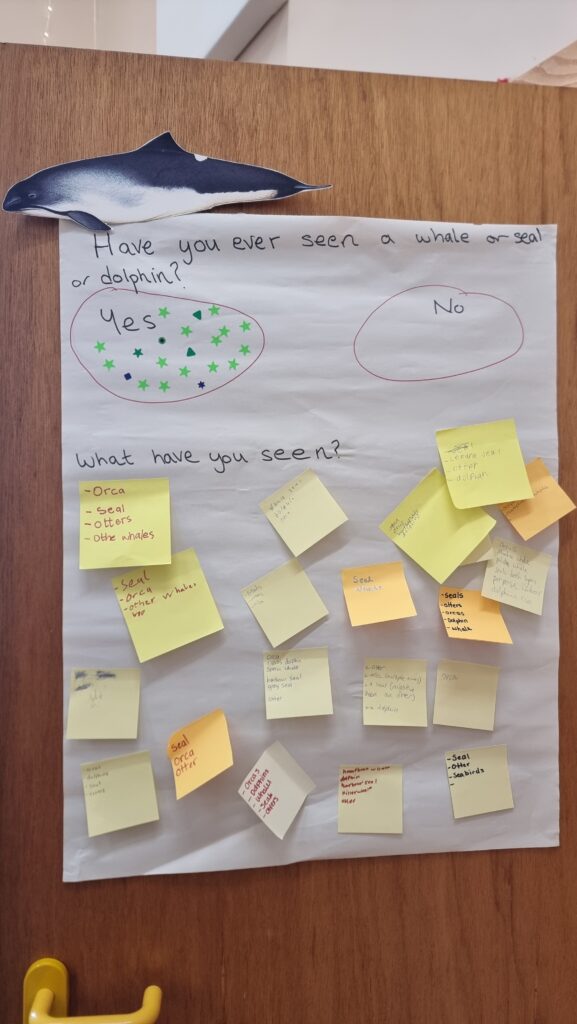
Have you ever seen a whale seal or dolphin? All participants that completed this question (21) answered ‘Yes’, and provided examples of the species they had seen.
Practicing Photo-Identification
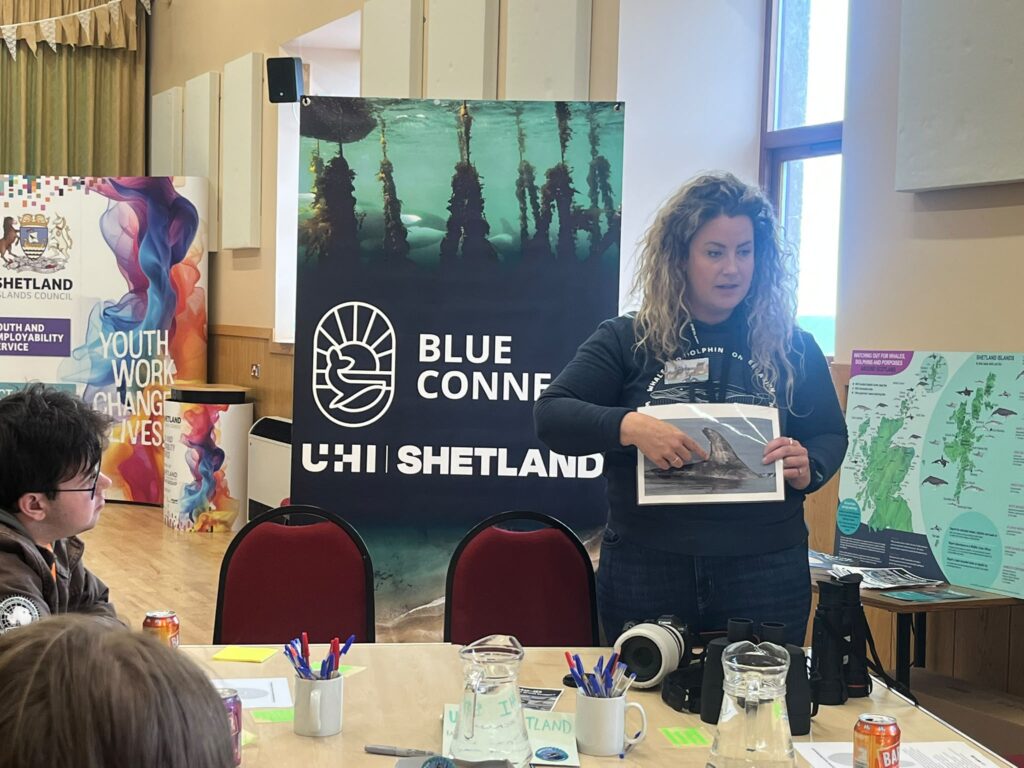
Emily then described some of the marine mammal work being conducted at UHI Shetland, under the BLUE CONNECT project and focusing on collecting more data within the Shetland and Fair Isle IMMA. This included information on marine mammal boat-based surveys, where we collect photo-identification photos of cetaceans, and insight into our thermal drone monitoring work of seals. We brought along the equipment we use, including Canon telephoto lens cameras, DJI thermal drones and HIKMICRO thermal binoculars, and the groups enjoyed giving the equipment a try – particularly the thermal binoculars and figuring out how mammals give off heat signatures, which helps with seal haul out site counts.
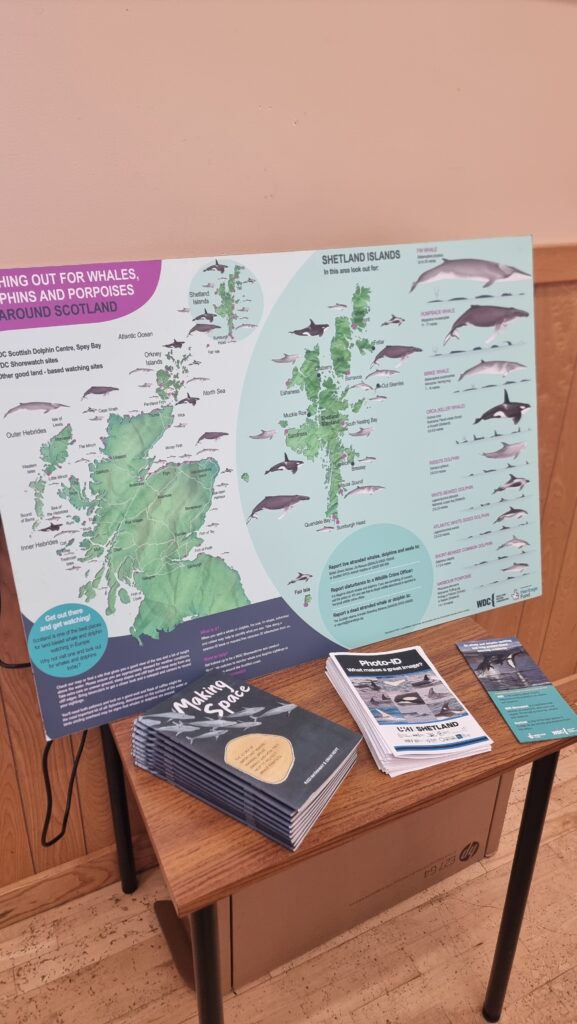
Following a brief introduction to photo-ID and how we can tell individual cetaceans apart through unique markings and nicks, the groups then separated into sub-groups to complete a photo-ID activity. Each group was provided with photographs taken during surveys of five different individual Risso’s dolphins, along with copies of the WDC Shetland Risso’s Dolphin Photo-Identification catalogue, and were asked to play ‘Dolphin Snap!’ and help match the survey photos to catalogue images.
How can we get young people involved?
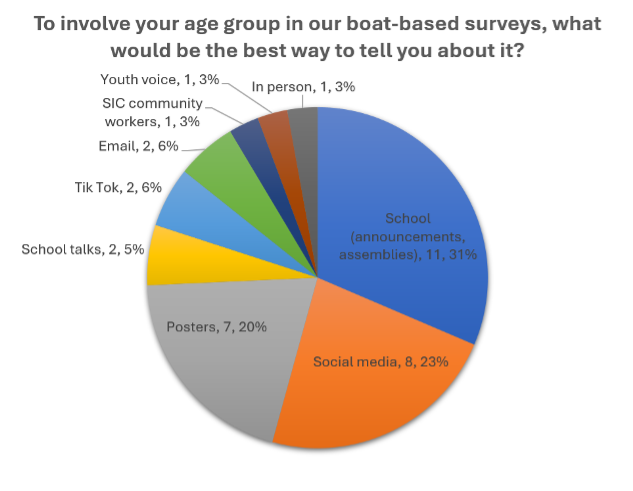
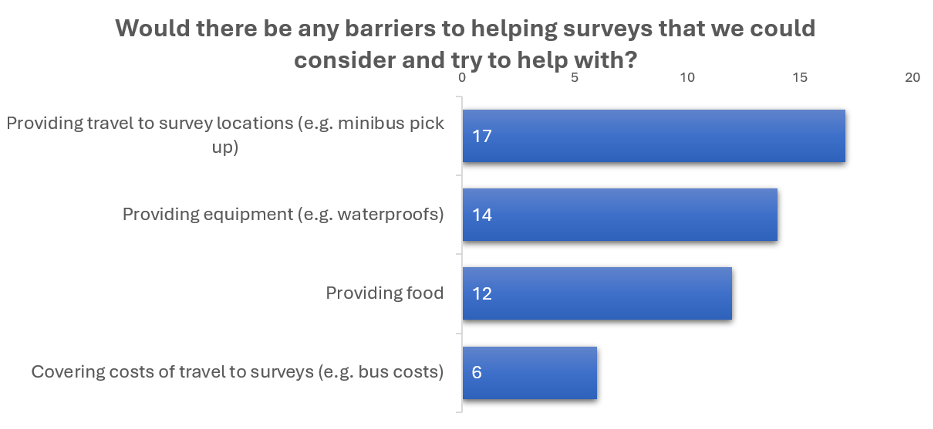
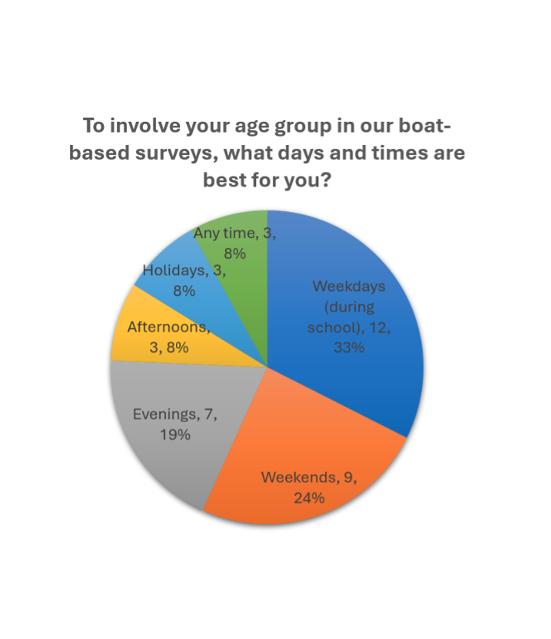
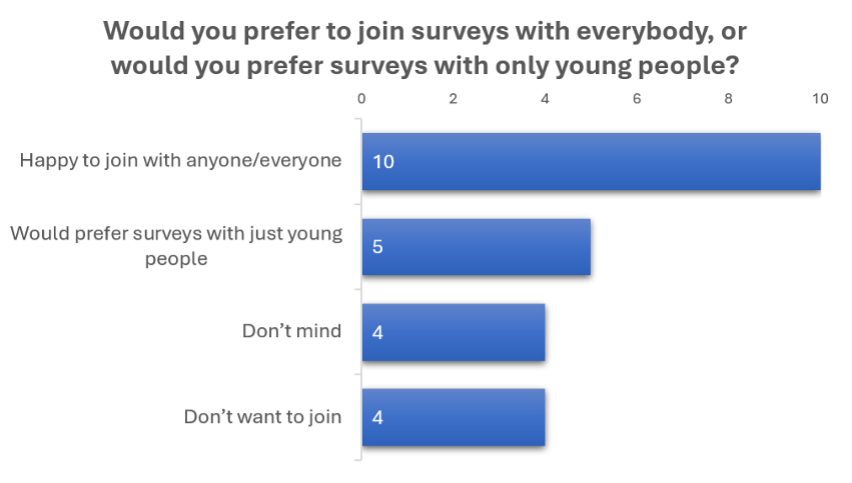
Following the focused photo-ID task, we introduced the potential for the attendees to physically join a photo-ID boat based survey, and described how this may be possible, subject to interest. We then asked attendees to complete a short survey sheet with questions asking how best we could support them joining surveys. The answers are summarised in the graphs below, and are very helpful and insightful to help UHI Shetland plan for a successful youth focused survey.
To close the workshop, they asked attendees two final questions:
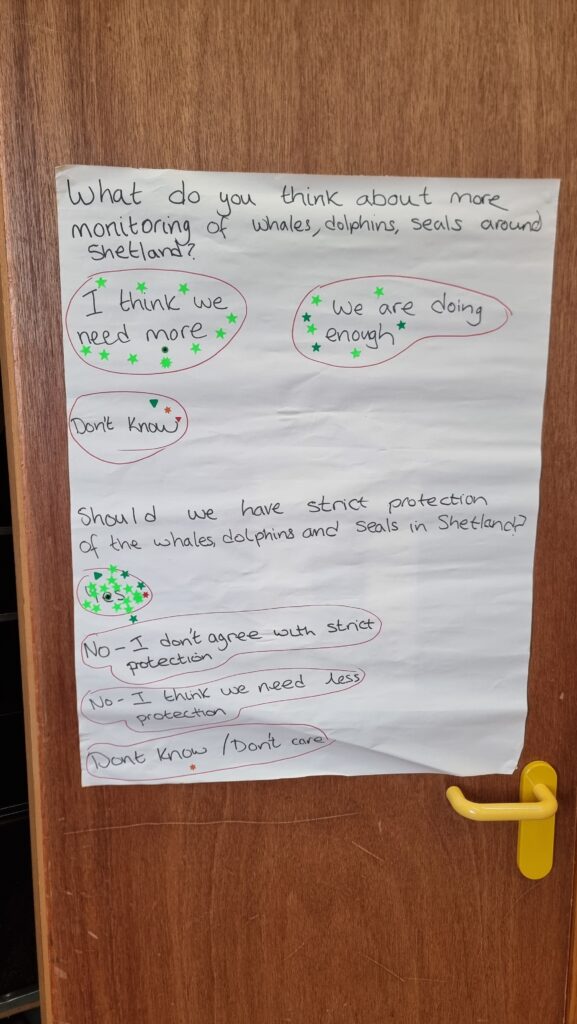
What do you think about more monitoring of whales, seals and dolphins around Shetland?
11 answered ‘I think we need more’
7 answered ‘We are doing enough’
3 answered ‘Don’t know’
Should we have strict protection of the whales, dolphins and seals in Shetland?
20 answered ‘Yes’
0 answered ‘No, I don’t agree with strict protection’