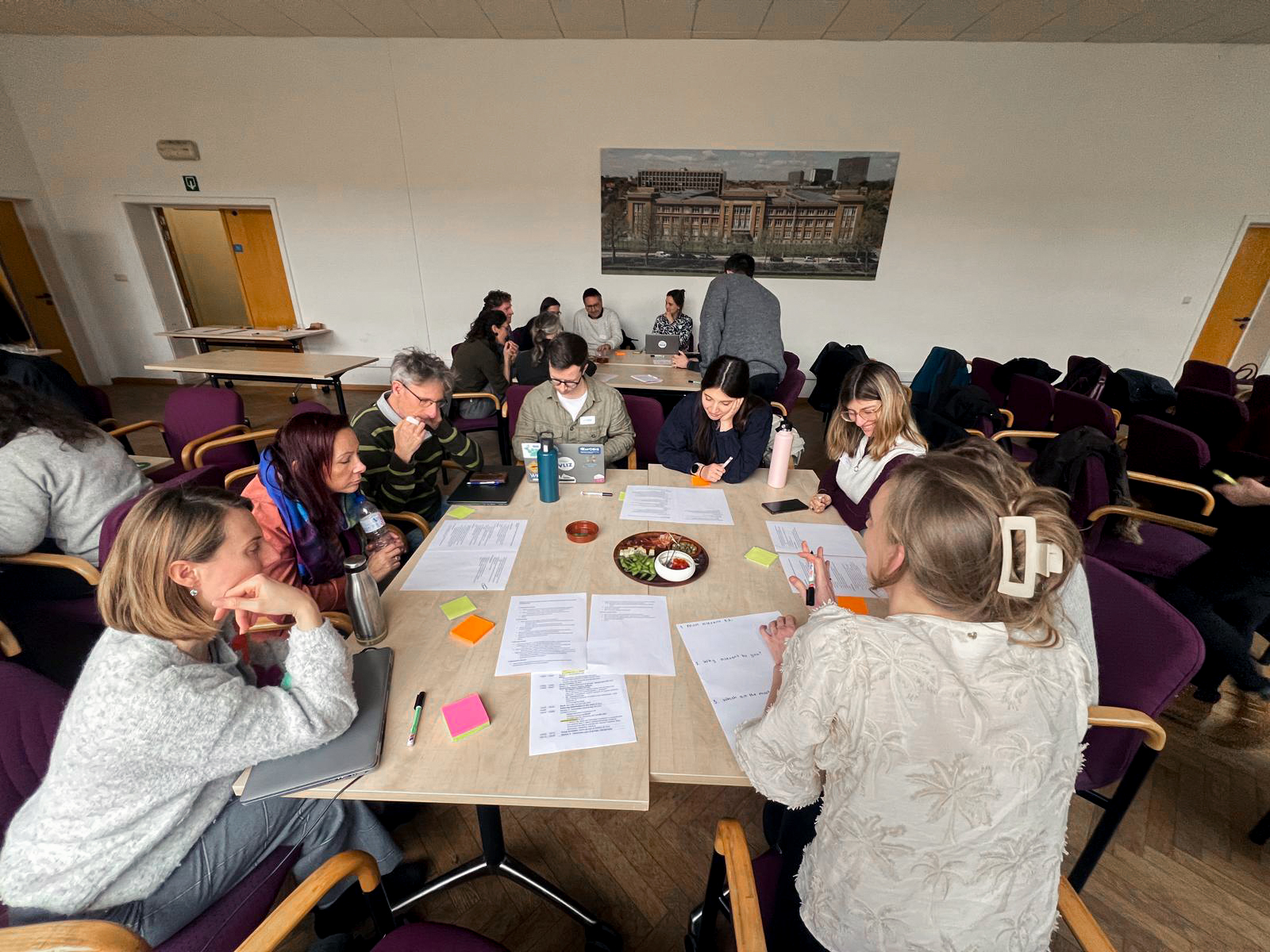
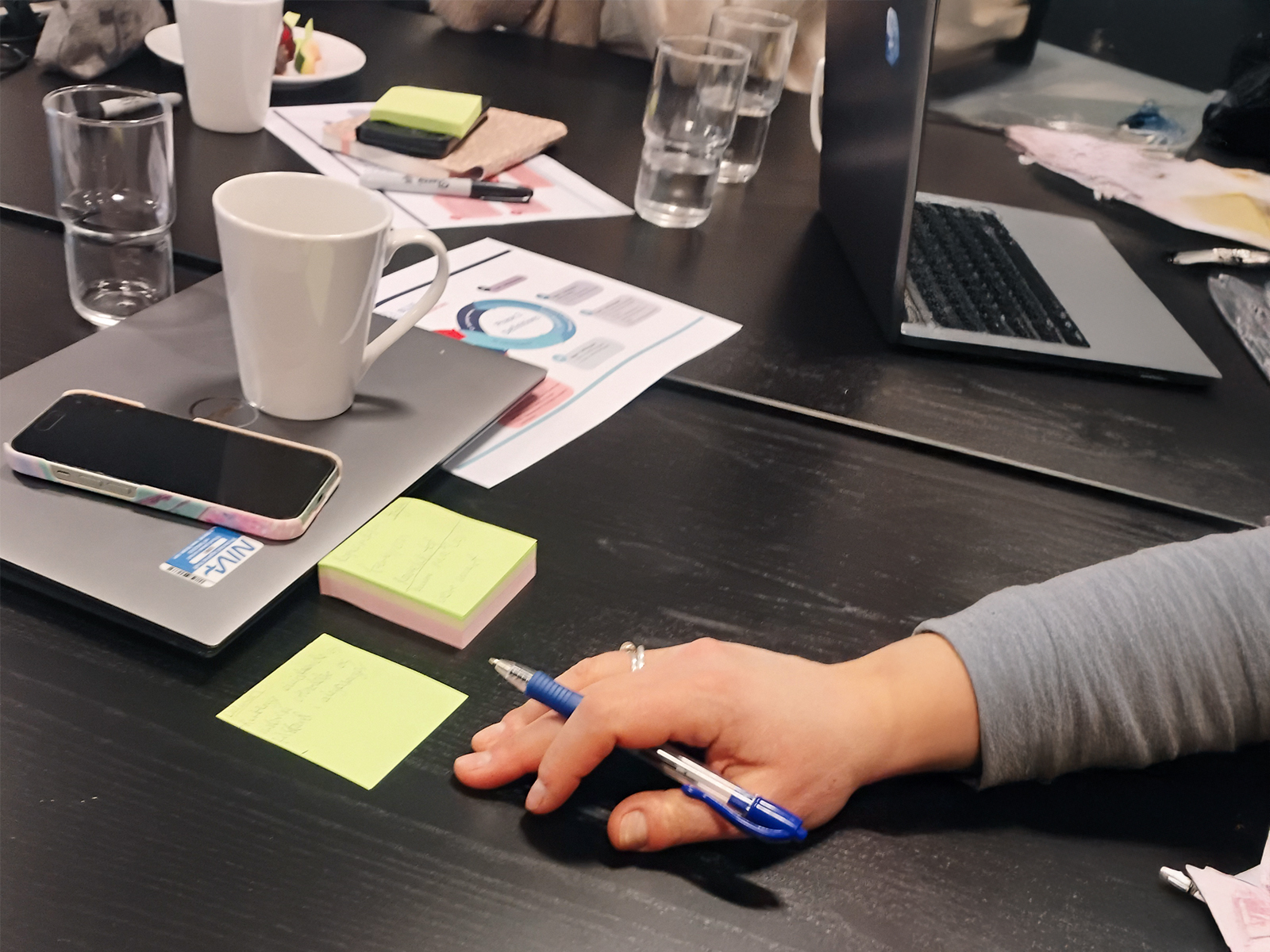
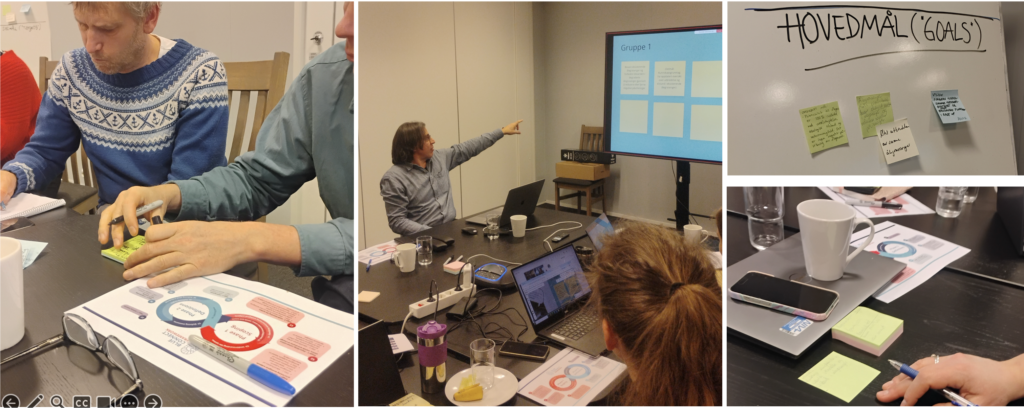
It was a day in late February. Valentine’s Day and the winter holidays were behind us. The temperature hovered just above freezing. Was this the beginning of spring? They had gathered in a small office in the southern Norwegian town of Arendal. The room was cramped, and more chairs had to be brought in. Around the table sat biologists, researchers, managers and representatives from interest organizations. All highly knowledgeable people. Together they formed what we call the Local Stakeholder Working Group.
This Tuesday in February had been set aside to test methods and tools for managing MPAs. Can an infinity loop help us plan, implement, evaluate, and show us a way forward? Could it help us formulate goals, targets and measures for ecosystems in Raet National Park? And how do you monitor progress when you have very few variables or indicators to measure?
It also raises a more fundamental question. How do you set goals and introduce measures in what is often referred to as a paper park?
A “paper park” is a designated protected area that exists in legal documents, but lacks sufficient funding, management capacity, measurable objectives, concrete measures or enforcement to effectively protect the environment.
To be fair, Raet National Park does have a regulatory framework. It has protection regulations, a management plan and several clear prohibitions. It also has a park manager and strong local engagement. Yet the main challenge lies elsewhere. Norwegian biodiversity management frameworks are not prescriptive enough when it comes to setting concrete goals and implementing goal-oriented measures for ecosystems under water. Nor do we have particularly strong routines for detecting whether ecosystems are actually improving as a result of protection. In addition, there must be a political will to adopt stricter protection measures under the current frameworks.
Norway has a long tradition of establishing national parks on land. These have often been areas of valuable nature with relatively limited commercial interests. Conflicts between conservation and use certainly exist on land as well, but the governance structures are better established.
Raet National Park was established ten years ago, and in hindsight, it can appear as if the model used for terrestrial national parks was simply copied and pasted into the sea. Over time, it has become clear that this hasn’t worked very well, but is that really surprising?
Back in the meeting room in Arendal, the knowledgeable participants were given a theoretical exercise. What goals and targets could be developed for eelgrass meadows in Raet National Park?
“This model is not particularly well suited for use in Norway,” one participant said.
“We are not very used to thinking this way in Norway,” another added.
Does this mean the participants in the working group lack expertise in marine management? Hardly. These are among the most knowledgeable professionals in the field in the country.
Could it instead be that the legal framework for marine national parks and other marine protected areas is not particularly well adapted to the reality we face?
More likely.
Towards the end of the day, the working group was introduced to concepts such as co-management and co-creation. Public participation is well known in Norway, and is legally required in public decision making.
But participation is not the same as co-management.
The concept of shared management is still relatively unfamiliar in the Norwegian MPA context. It raises an interesting question: could the responsibility for establishing and managing a marine national park be shared between public authorities and other actors?
In several parts of Europe, this is already the case. Who would have thought?
On a scale from 0 to 10 in terms of participation or co-creation, Norway sits somewhere in the middle. You have the right to express your opinion. You have the right to access information. You have the right to transparency. But that does not necessarily mean your views will influence the outcome.
The participants were therefore asked how a model of co-management might work in Raet National Park.
“This model is not particularly well suited for use in Norway,” one participant said.
“We are not very used to thinking this way in Norway,” another repeated.
“This illustrates how top-down conservation and management are in Norway,” a third concluded.
In the small meeting room in Arendal, the discussion gradually came to an end. Chairs were pushed back, coffee cups emptied and notebooks closed. Outside, the air was still cold, and the sea just beyond the town lay quiet under a pale winter sky.
Back to the question, can ecosystems be preserved in a paper park?
We reached no conclusion that February day.
Only time will tell.