.
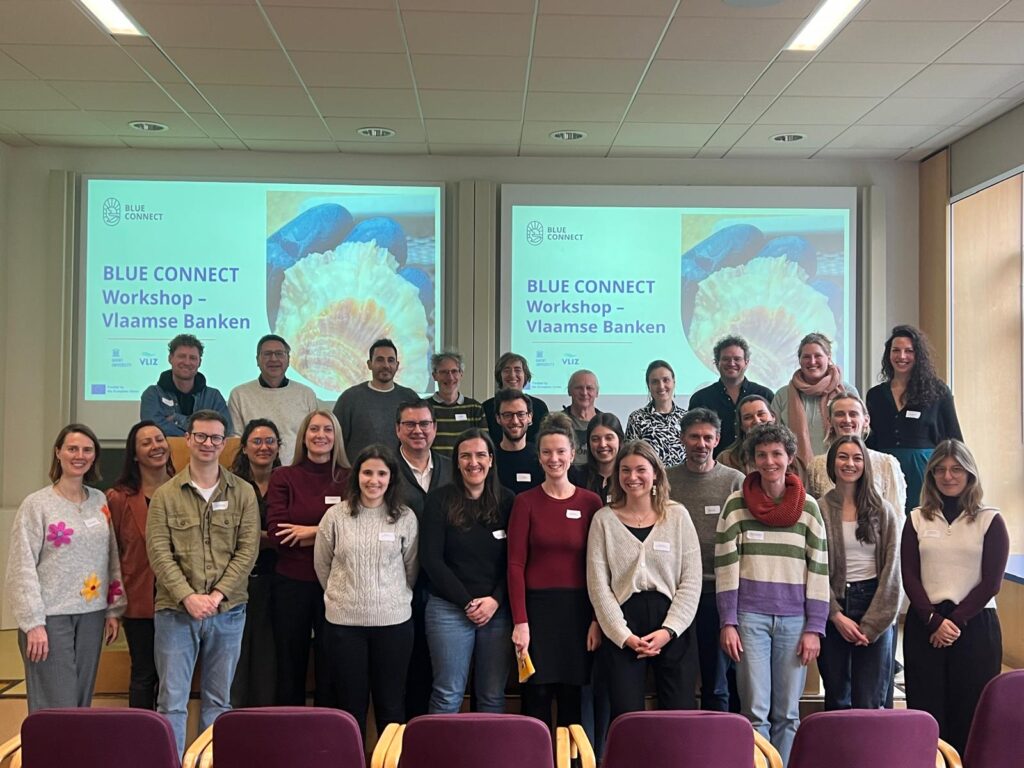
The workshop marked an important step in moving “from vision to action”, focusing on the validation of practical tools that support effective marine restoration and management.

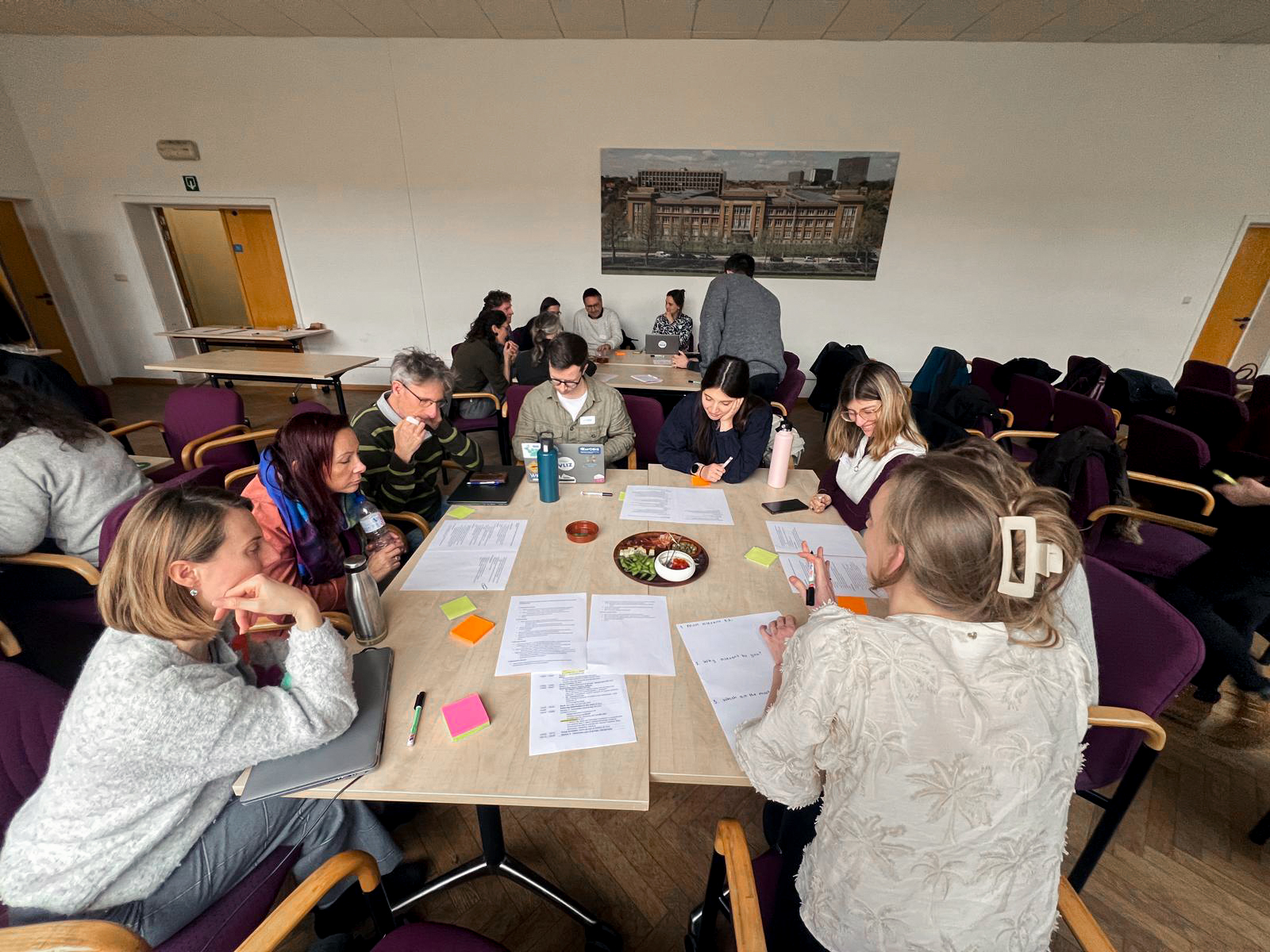
During the 4 hour workshop three key BLUE CONNECT tools were presented and discussed with the stakeholders. A short introduction of each tool and key outcomes are shared below.
Co-management methodology
Participants expressed strong support for a collaborative governance approach for the Vlaamse Banken demo site. While stakeholders emphasised the importance of inclusive dialogue and knowledge exchange, it was also stressed that public authorities should retain final decision-making responsibility, and that marine protected area targets should remain science-driven.
Connectivity and ecosystem functioning tools
Discussions focused on key scientific questions needed to support restoration success. Stakeholders highlighted the importance of understanding oyster reef development, larval connectivity and suitable habitat conditions, noting that restoration success will depend on both habitat availability and long-term recruitment. The need for North Sea–scale coordination of restoration efforts was also emphasised.
Innovative monitoring approaches
The workshop explored how innovative monitoring technologies, including acoustic and sonar-based tools, can complement traditional ecological surveys. Participants agreed that a combination of structural monitoring and biological surveys is essential to assess reef development, biodiversity and ecosystem services. At the same time, stakeholders stressed the importance of cost-efficient and scalable monitoring strategies.
A network reception concluded the from both sides appreciated workshop.
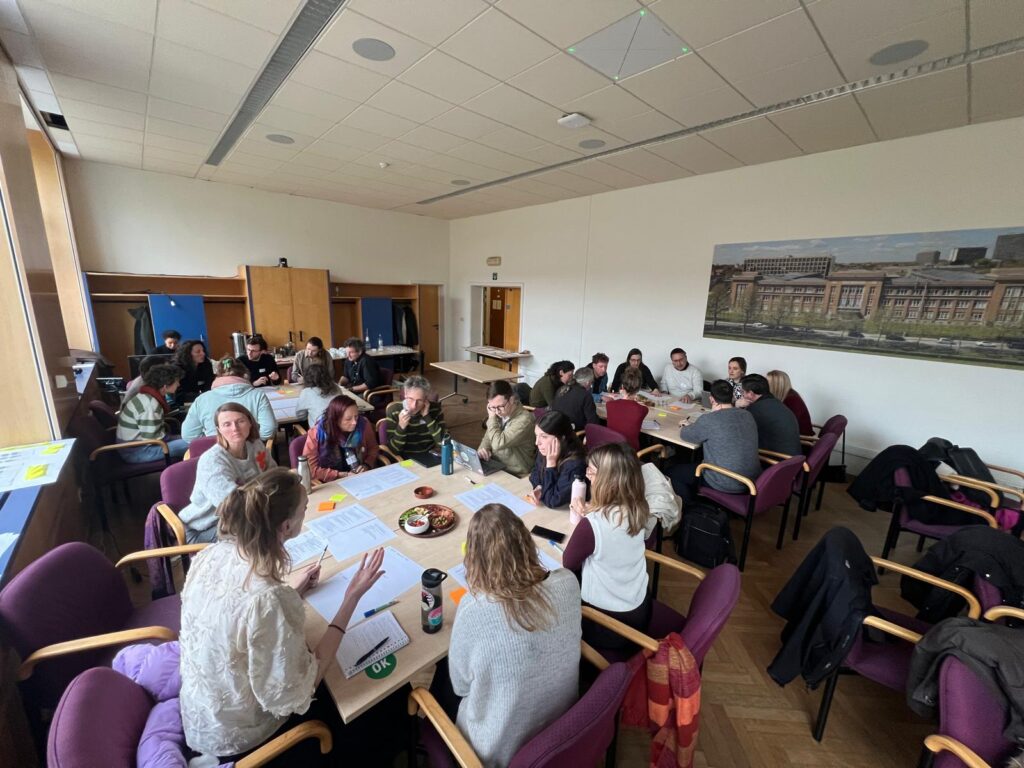
Bridging science, policy and practice
The workshop demonstrated the value of cross-sector collaboration in advancing marine restoration. By testing and refining practical tools together with stakeholders, BLUEConnect aims to strengthen the long-term management and restoration of oyster reefs in the North Sea.
The validated tools will support the development of effective restoration strategies, monitoring frameworks and governance approaches, helping translate scientific knowledge into real-world implementation within marine protected areas.